Skip to content
Built on your data

The AI analyst for commercial real estate

Will this site cannibalize the one down the street, or is a market underserved? Ask in plain English and watch GrowthFactor run the analysis.

The analyst legwork, without the black box

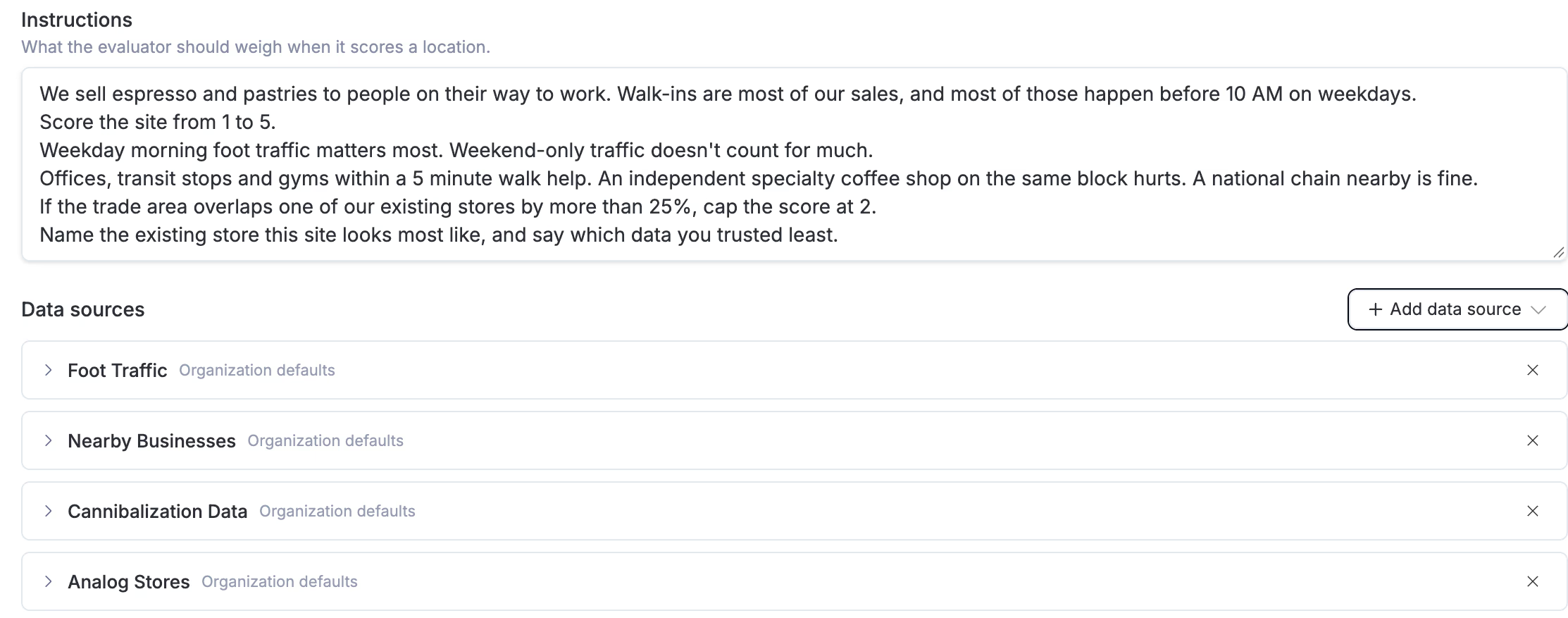
Most “AI” in real estate is a chat window bolted onto a guess: confident, fast, impossible to defend when committee asks where the number came from. GrowthFactor is the opposite — it runs on the same machine-learning models and market data as the platform, and shows every step. It does the analysis. You make the call.

Meet GrowthFactor

Plan a whole market in one conversation

Public Beta
See market planning

Ask GrowthFactor to work a whole market, not just an address. It reads trade areas, co-tenancy, and demographics across the metro, then ranks the candidates with the math behind each call.

StudiesCharleston Market planning
Agent
We're at two stores in Charleston. Plan the Mt Pleasant corridor — where do we open next?
GrowthFactor Agent
Pulling trade areas · 4 zones drawn
Scanning co-tenancy · 31 anchors
Ranking candidates · 4 sites
Charleston Market Planning
Key Co-Tenants & Commercial Environment
Retail Anchors: Tanger Outlets anchors the node; Walmart Supercenter and Sam's Club pull daily-needs trips from across the submarket.
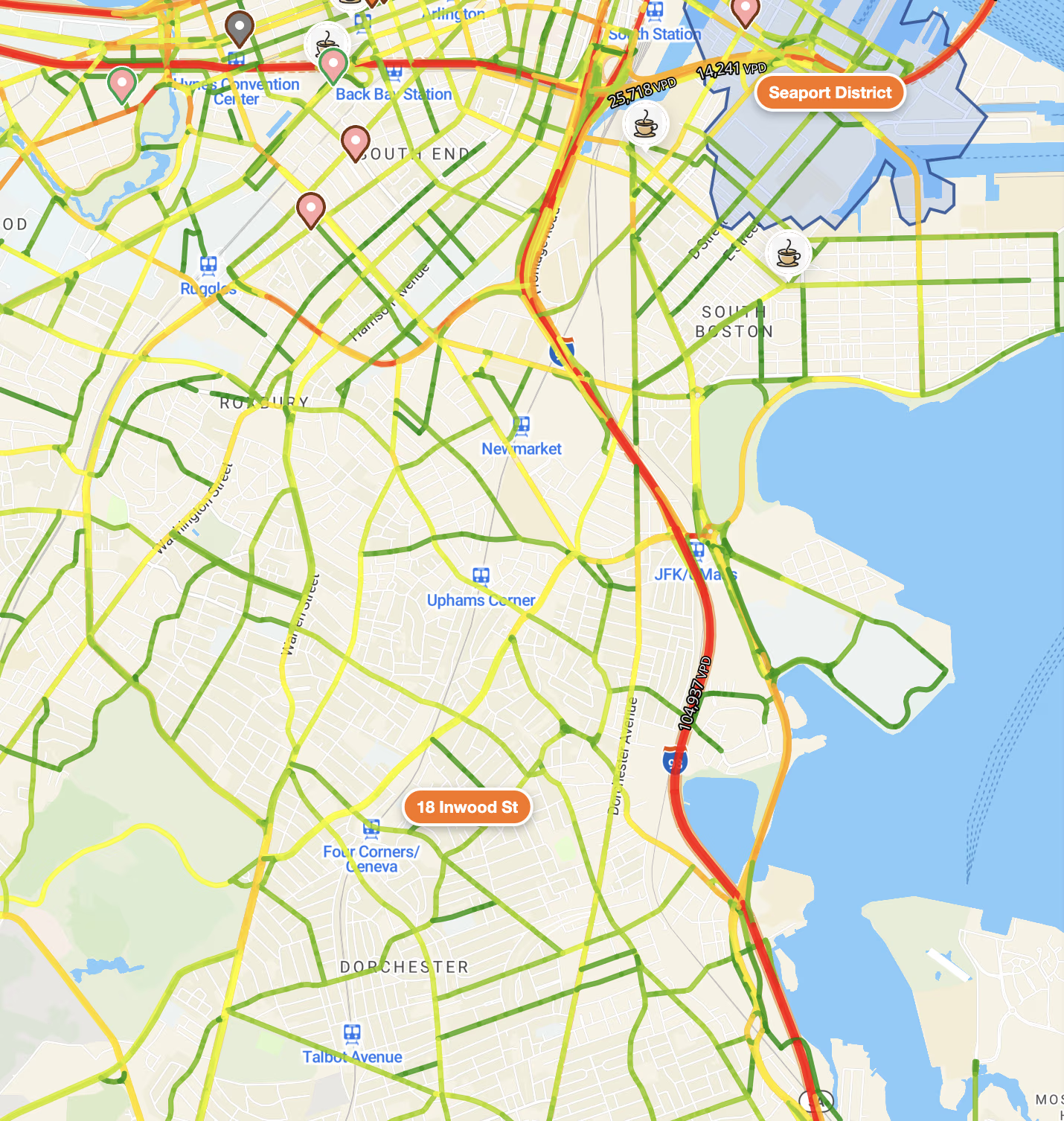
Access & Visibility: The I-26 / I-526 interchange puts most of the metro inside a 16-minute drive, with signalized access off Tanger Outlet Blvd.
Dining & Dwell: A dense quick-serve ring — Culver's, Arby's, Huey Magoo's — holds traffic through midday.
Strategic alignment: A regional-draw retail node with $92k median HHI in the primary trade area; well-matched to your target consumer profile.
Ask about a market or an address…

Ask it anything about your deals

See it work a pipeline

Rank a pipeline stage, then ask why — one conversation, no spreadsheet.

Which of my Review deals are ready to advance?
List dealsDone
Score location ×3Done
Run model ×3Done
Find analogsDone

Noblesville is the clear advance. Orlando has the demand but the wrong format, and I'd pass on Fillmore St:

13901 Town Center BlvdNoblesville, IN84 · Great

Marshalls & JCPenney next door, income in range, low overlap

8001 S Orange Blossom TrlOrlando, FL72 · Good

Ideal demand and zero overlap — but it's an enclosed mall, not a power center

2101 Fillmore StSan Francisco, CA38 · Bad

$133k median income runs affluent; walkable strip, 24% cannibalized

Demand is ideal — $66.5k median income, zero cannibalization — but the site sits inside Florida Mall, and your brand avoids enclosed-mall formats. That caps visibility and access.

The first MCP in commercial real estate

See the MCP

Connect the AI tools you already use, Claude, ChatGPT, Cursor, or VS Code, and your agent works GrowthFactor's aggregated data and ML models directly: the real scoring engine and your portfolio model, not a prompt you could write yourself.

Ask GrowthFactor, then decide how deep to go

GrowthFactor gives one defensible answer two ways: most teams start with the Platform, and Labs plugs in when the stakes get higher. They're built to stack.

Platform

GrowthFactor Platform

A dozen fragmented data sources, one screen. The quick qualifying read up front; the fine detail one click behind it. One seat to start, the whole organization on Enterprise.

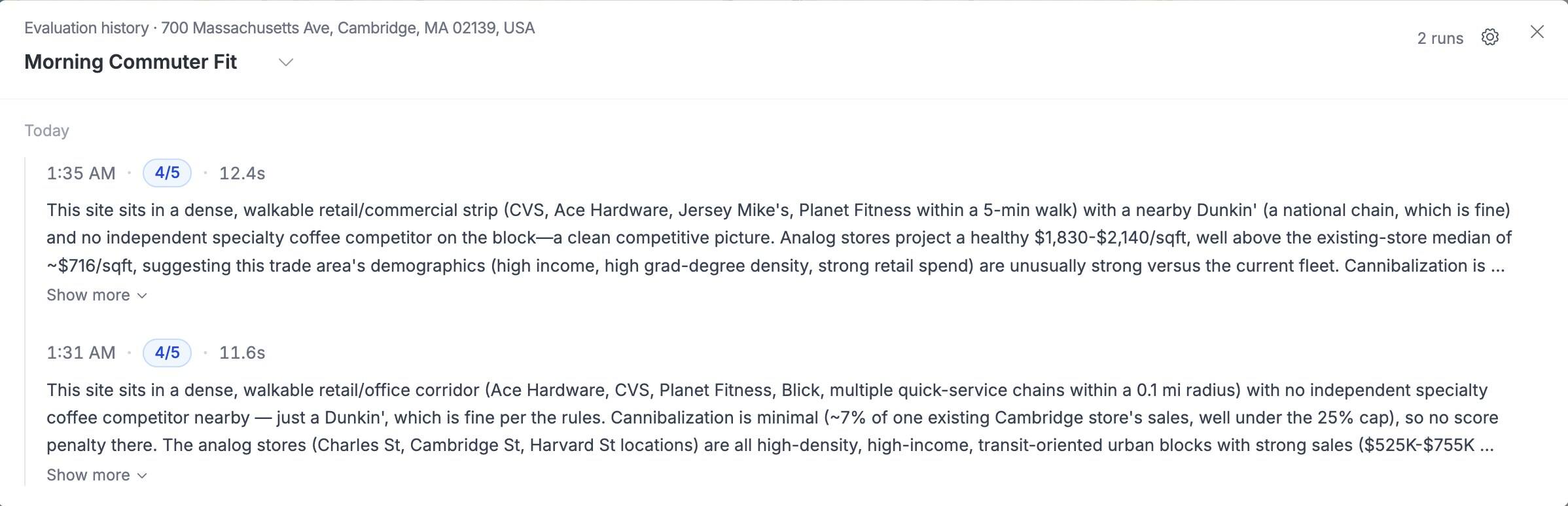
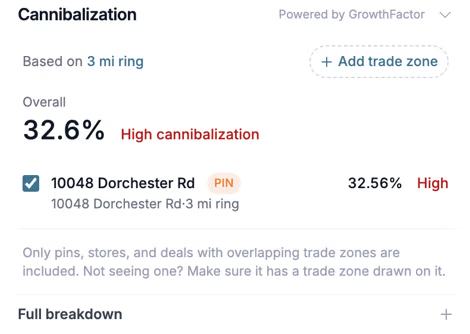
  • Single-site analysis. Search an address: layers, demographics, analogs, cannibalization — a committee-ready first draft in under 10 seconds.

  • Deal Dashboard. Searched sites become tracked deals. Broker details, LOIs, every analysis saved — stages your team defines.

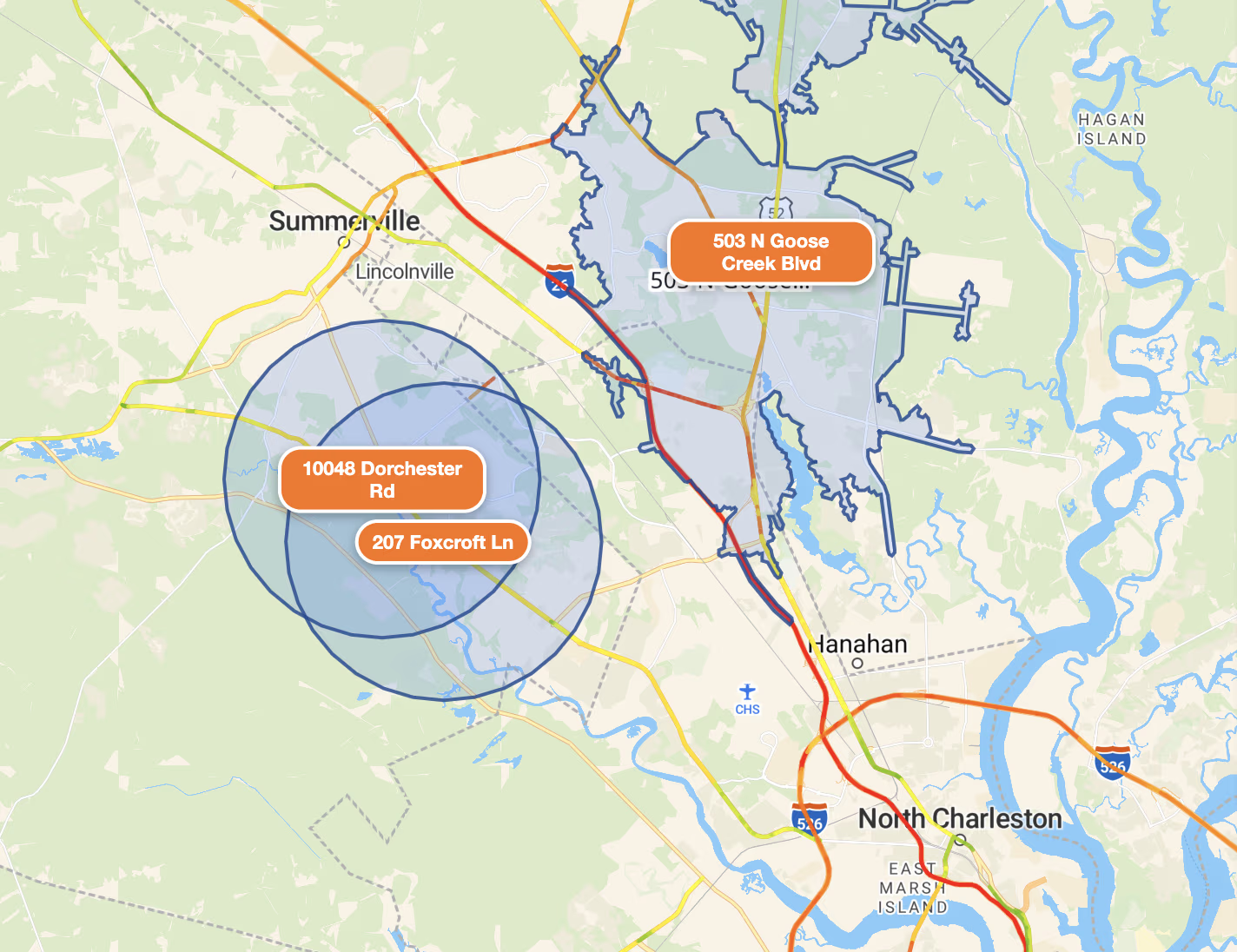
  • Market Planning. Draw a trade area and GrowthFactor plans the market: scoring, trade zones, cannibalization.

See the Platform
Labs

GrowthFactor Labs

Custom revenue forecasting built on your own sales data — with a dedicated data scientist who builds the model with you and knows your markets.

  • Custom forecast models. Your stores, geocoded and enriched — demographics, traffic, co-tenancy — then distilled to the few variables that actually drive revenue.

  • Your data science team. The data scientist who built your model runs it live, takes feedback, and retunes until your team trusts it.

  • Discovery. 30 days, $5,000. Map your existing performance before you commit.

See Labs

One workflow from first look to signed lease

Was the way you evaluate deals designed, or did it just accumulate? Most teams run on a rag-tag stack of scoring spreadsheets, deal trackers, and screenshots in a deck. GrowthFactor puts pipeline, analysis, and history in one place — kanban, table, and map on the same deals.

+14.1% sales PSF in new stores, while tripling openings — Books-A-Million
See the Deal Dashboard
This is it. This is it for me. Nobody else has it. Nobody else has done anything close to it.
Jessica C.Head of Real Estate, Ivy Kids
Ivy Kids Early Learning Center storefront
29 learning centersGreater Houston · TX & GA
Read customer stories

Your art.
Our science.

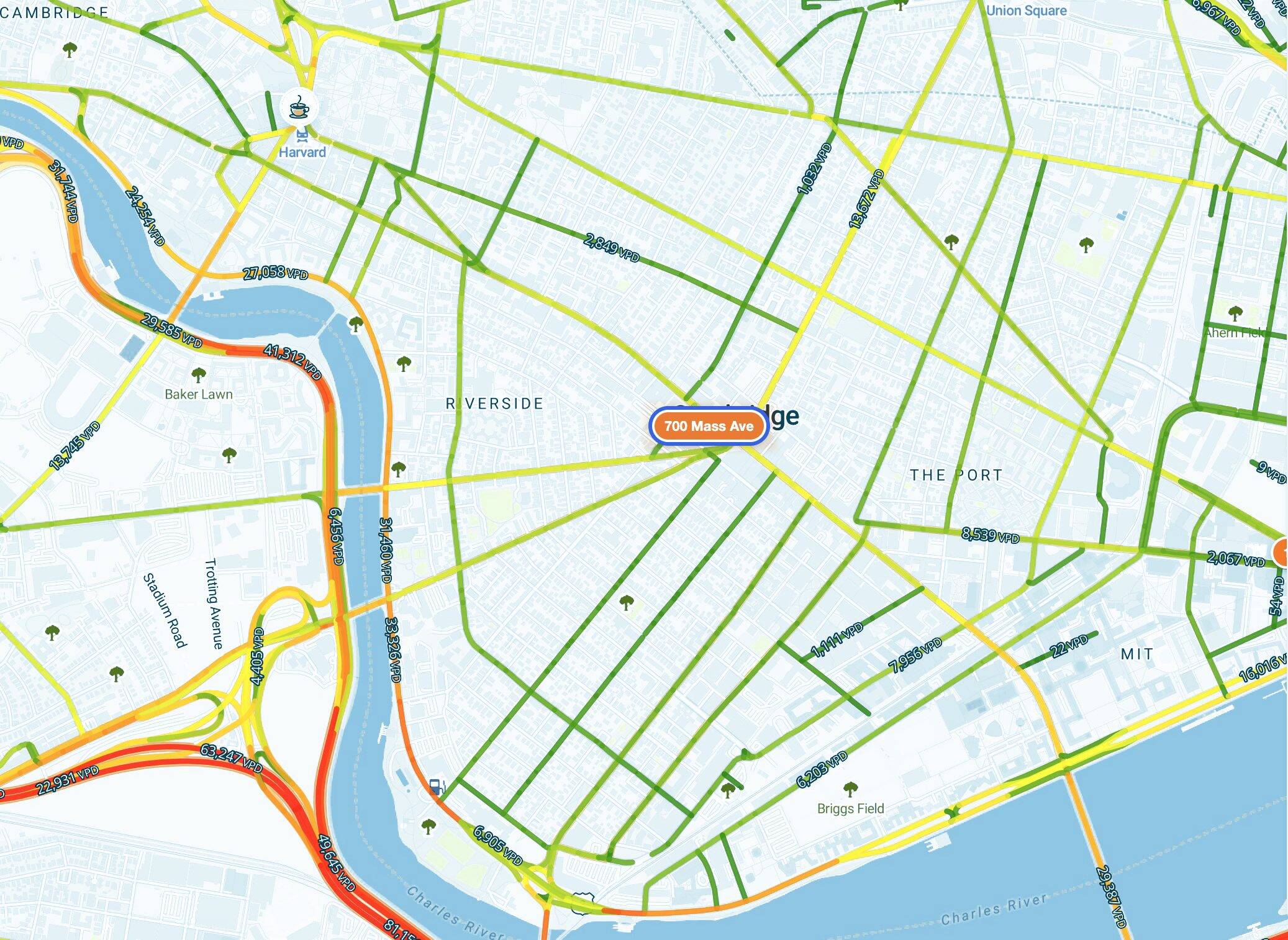
Trade areas drawn live, the way the model reads the land — by radius, drive time, walk time, or where your customers actually come from. You read the market. We show the work.

GrowthFactor Labs

Forecasts built on your portfolio

Send us your sales history and we build a forecast on what actually drives your revenue — then prove it against markets you already know before it scores one you don't. A dedicated GrowthFactor data scientist builds the model with you and retunes it until your team trusts it.

Revenue forecast · validation gateP20–P80 band · predicted vs. actual, before any new market
your existing stores · holdout validationP80P20
forecast rangeforecast medianactual store revenue

The model gets sharper every time you use it

When a store opens, actual performance feeds back; the next forecast for a similar market is sharper. Nothing walks out the door when someone leaves.

See how the model learns
~80% fewer underperforming locationsGrowthFactor customer survey, January 2026
Not only did we open more stores, but they're outperforming our existing stores.
Katherine H.General Counsel, Books-A-Million
Books-A-Million storefront
25 hrs/analyst/week saved260 stores · 32 states
Read customer stories

What changes when every question gets answered fast

All customer stories
3×
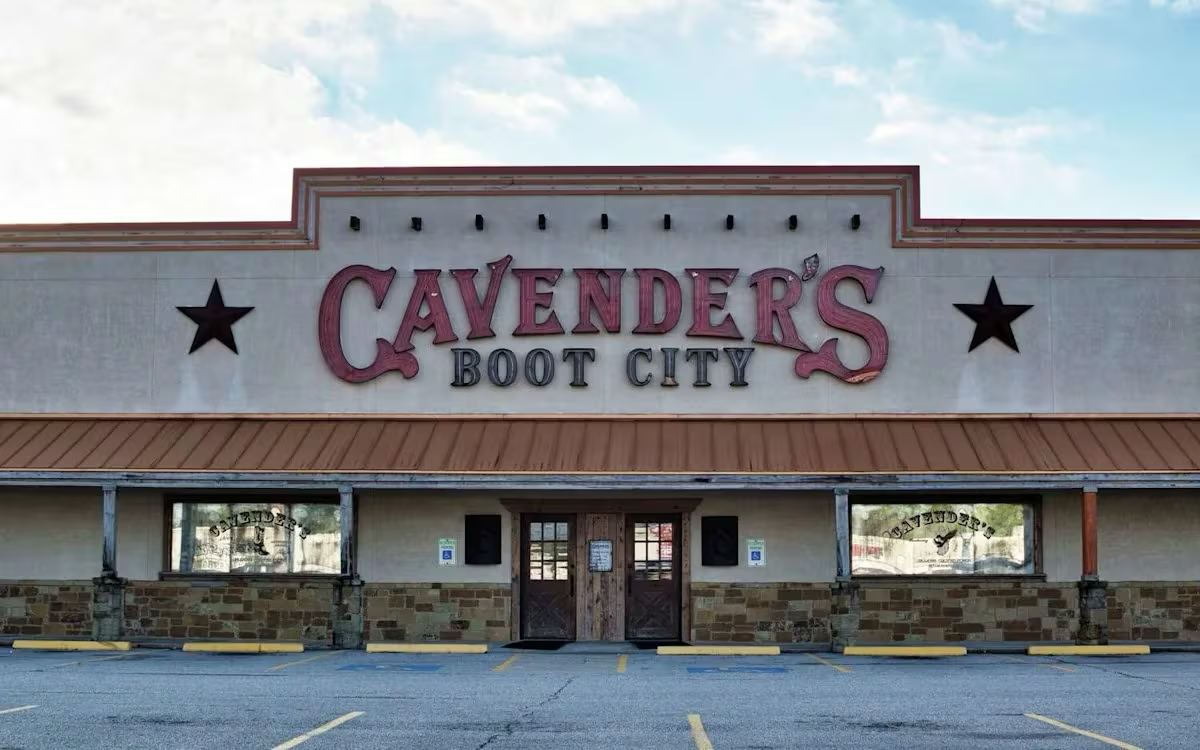
more stores openedFrom opening 9 new stores a year to 27. All at or above revenue projections.Cavender's
25 hrs
saved per week, per analyst3,000+ sites evaluated a year, without adding an analyst.Books-A-Million
10×
more sites to committee150+ locations opened in under 6 months.TNT Fireworks

See for yourself

Whether you run it yourself or bring in a team at the table, we built both.

30 minutes on one of your markets.

  • Built on your data, tuned to your portfolio
  • See the reasoning behind every score
  • Layers onto the tools you already use

Request a demo

By requesting a demo, you agree to our Privacy Policy.

Frequently asked questions

What is GrowthFactor?
GrowthFactor is where your real estate team runs deals — score a site, see why it scored that way, move it through your pipeline, and walk into committee with the math. Labs adds a forecasting model built on your own sales data.
Is GrowthFactor only for retail operators?
Operators — brands opening their own locations — are our core focus, and that’s the full Platform. Brokers, landlords, and owners use GrowthFactor too, through GrowthFactor Pro: a per-seat, month-to-month license at $200 per month per user. Brokers win the listing and advise clients with defensible data; landlords and owners learn what an asset is worth to a tenant and market vacancies with real numbers.
Is it suitable for small chains?
Yes. GrowthFactor scales from emerging brands to 500+ location chains. GrowthFactor Pro ($200 per month per user, self-serve and month to month) gives growing brands the same scoring and mapping tools larger chains use, without requiring a large team to operate.
How is GrowthFactor different from competitors?
Three things: transparency, a model built on your data, and scope. Most tools are black boxes — you get a score but can’t see why. GrowthFactor shows exactly how every score is calculated across five default lenses you can reshape to fit how you evaluate sites, and it tunes to your portfolio instead of a generic national average. Through GrowthFactor Labs we go further and build a custom forecasting model on your own sales data, and the platform covers the full deal lifecycle: evaluation, pipeline management, and data science.
How do I know the scores are accurate?
You check them against stores you already know. Before GrowthFactor scores a market you haven’t entered, the model has to explain the locations you’ve run for years — we hold it to predicted-versus-actual on your own portfolio first. And because every score is fully traceable, you can see exactly what’s driving it and reshape the lenses when your read differs from the model’s.
How is GrowthFactor an AI analyst?
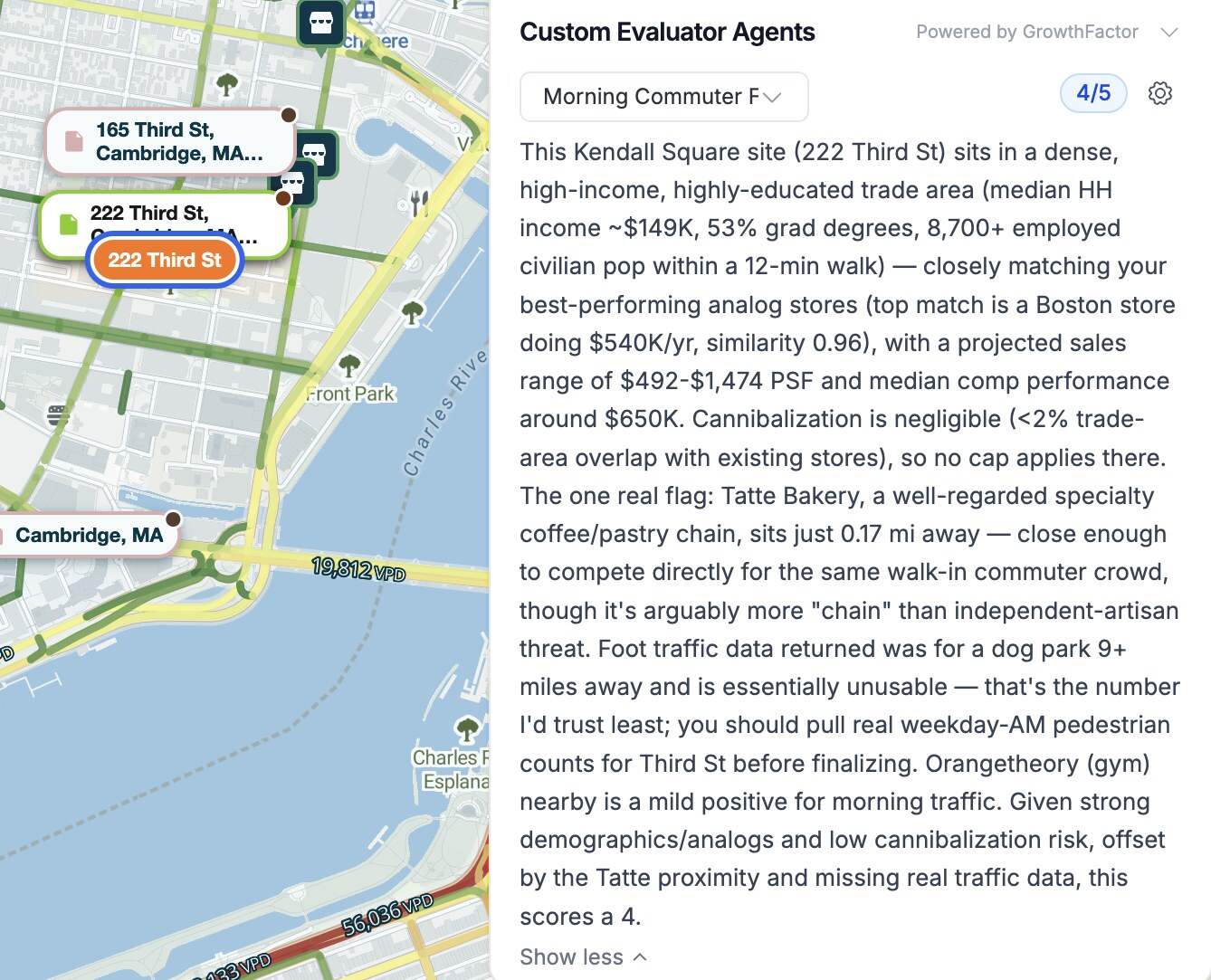
Ask GrowthFactor questions about your own deal data in plain English — compare the 11 deals in Review, plan a market, write the committee memo for a site — and it runs the analyses and shows the math behind each call. It does the analysis; your team makes the call.
Can I use GrowthFactor inside Claude or ChatGPT?
Yes, through our MCP server. It’s the same proprietary scoring engine and your portfolio model, not a prompt you could write yourself — the AI tool is just another window into it. Your data stays in your workspace; the AI you already use can work with it.
Can I replace my spreadsheets?
That’s what most customers do. GrowthFactor replaces scoring spreadsheets, deal tracking spreadsheets, and comparison spreadsheets. Sites are scored automatically, pipelines are visual, and reports are generated, not assembled.
Do I have to replace my current site-selection tools?
No. Plenty of teams run GrowthFactor alongside what they already use and let the results make the case — you don’t have to tear up a contract to start. Most pull more of the work over on their own timeline once they see the transparency and the speed.
What’s onboarding like?
Hours, not months. Enterprise onboarding configures your scoring model, imports your existing locations, and trains your team in a single day. Pro is self-serve, so you set up and add locations yourself. Either way, most teams are running their first analyses the same week.
What results can I expect?
TNT Fireworks brought 10× more sites to committee. Cavender’s went from opening 9 stores a year to 27. Books-A-Million raised their sales per square foot by 14.1%. Results vary with team size and deal volume.